Academic Journey
In September 2021, I began my Bachelor’s in Astronomy. Over the course of four years, I was trained in mathematics, physics, statistics, and programming. This degree provided me with a foundational understanding of our universe and, more importantly, trained me in critical thinking and the rigorous application of the scientific methodology. During my studies, I conducted several research projects, culminating in my final thesis: The Radio Luminosity-Star Formation
Rate Correlation: the Classification of Synchrotron-Deficient Galaxies.
Minor: AI, Machine Learning & Business Innovation
In addition to my core studies, I completed a minor focused on the fundamentals of Artificial Intelligence and Machine Learning. I learned how to implement predictive models on large datasets using various techniques such as Classification and Regression. The projects I completed during this minor allowed me to apply theoretical data science to real-world challenges.
The Radio Luminosity-Star Formation
Rate Correlation: the Classification of Synchrotron-Deficient Galaxies.
My research partner, Aliena, and I investigated the “Radio-SFR Correlation,” a fundamental rule in astronomy stating that a galaxy’s radio brightness correlates directly with its star formation rate. There are two primary exceptions to this rule: galaxies hosting active black holes (AGN), which appear much brighter than their star formation would suggest, and “synchrotron-deficient” galaxies, which appear significantly “dimmer” in radio frequencies. The latter was the central focus of our thesis.
Key Technical Contributions:
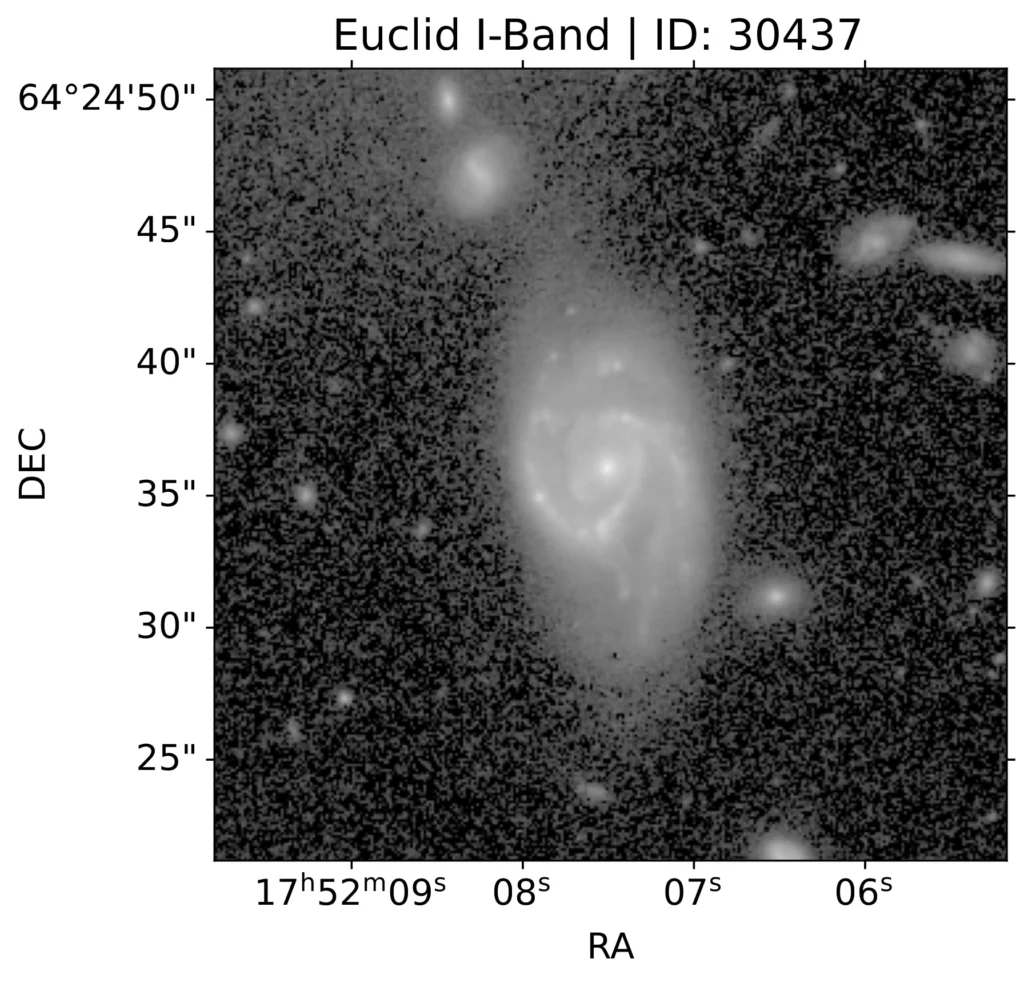
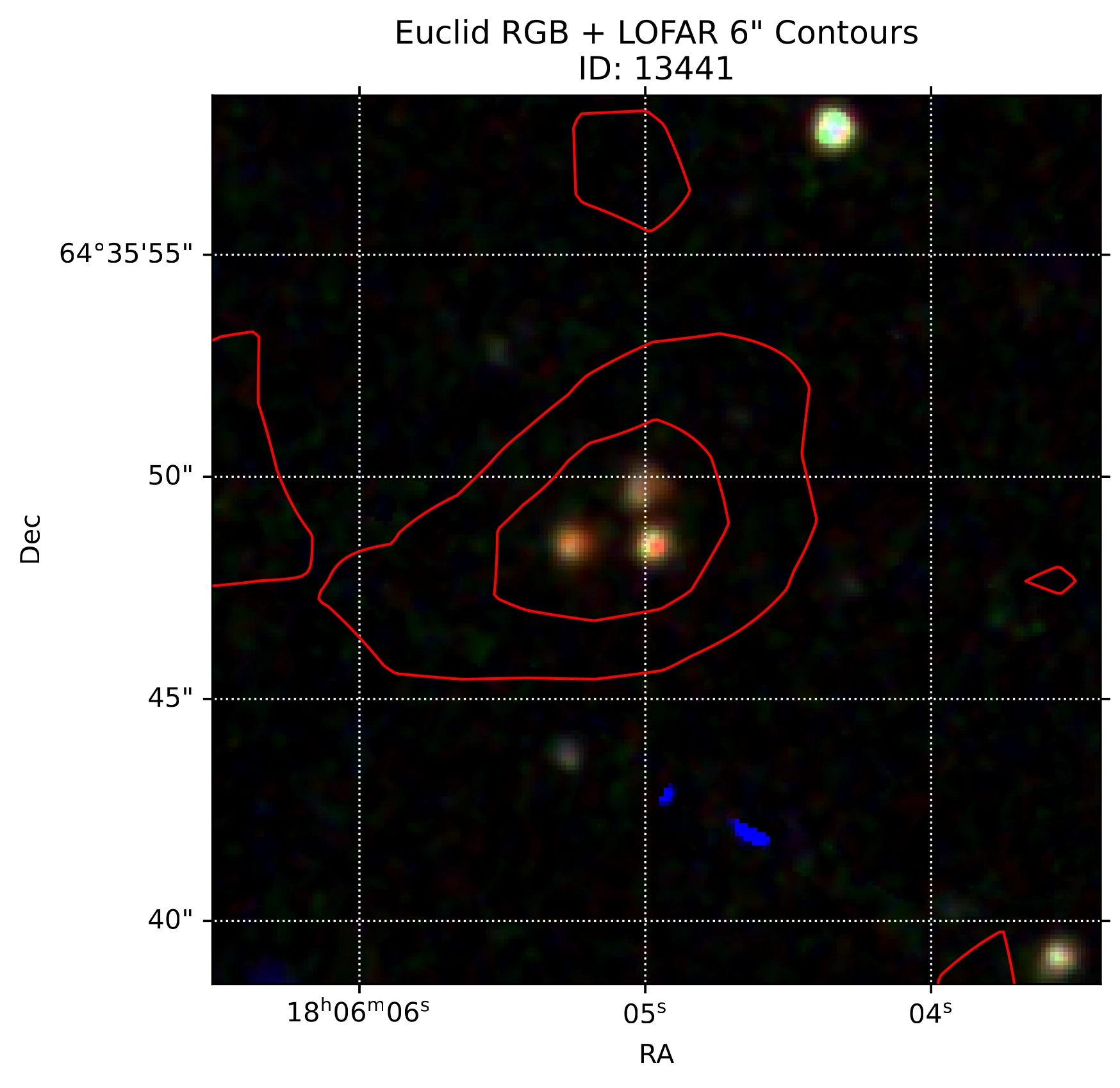
- Multi-Wavelength Cross-Referencing: I integrated high-resolution radio data from the LOFAR array with optical and near-infrared imaging from the Euclid space telescope. This allowed me to compare the “hidden” radio activity with the visible structure of the galaxies.
- Contour Overlay & Analysis: I made a semi automatic pipeline that automated this process of cleaning the data, cutting and overlaying for visual analysis. I developed visual overlays by mapping LOFAR radio contours onto Euclid optical images. This was crucial for determining whether the radio emission was coming from the center (indicating a black hole) or spread across the disk (indicating new star formation).
- Data Refinement: I applied specialized noise reduction and signal-processing techniques to the raw datasets. This ensured the images were usable to extract data suitable for statistical analysis.
- Nascent Starburst Hypothesis: We analyzed these “radio-quiet” galaxies to see if they were nascent starbursts—galaxies in very early stages of huge star formation, but the large stars still haven’t exploded yet as supernovae which produces the radio signal.
By examining the morphology (shape and structure) of these galaxies, we looked for signs of mergers or disturbances. This work helps clarify what triggers the very first moments of a “starburst,” providing insight into the earliest phases of galaxy evolution.
Artificial Intelligence, Business & Innovation
These are projects and practices that currently occupy most of my time on a day-to-day basis. From rehabilitating my fear-aggressive dog and learning about dog behavior and Buddhism to learning languages and hosting gaming events.
Neural Network Pneumonia Predictor
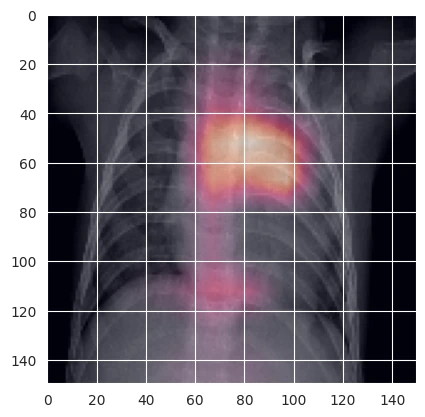
In this project I trained a Convolutional Neural Network (CNN) to identify pneumonia in X-ray images of lungs. The sample size was artificially enlarged by using Data Augmentation. Using Grad-CAM (Explainable AI) I verified what features of the images the CNN was looking at in order to make its prediction.
YouTube Playlist Data Analysis
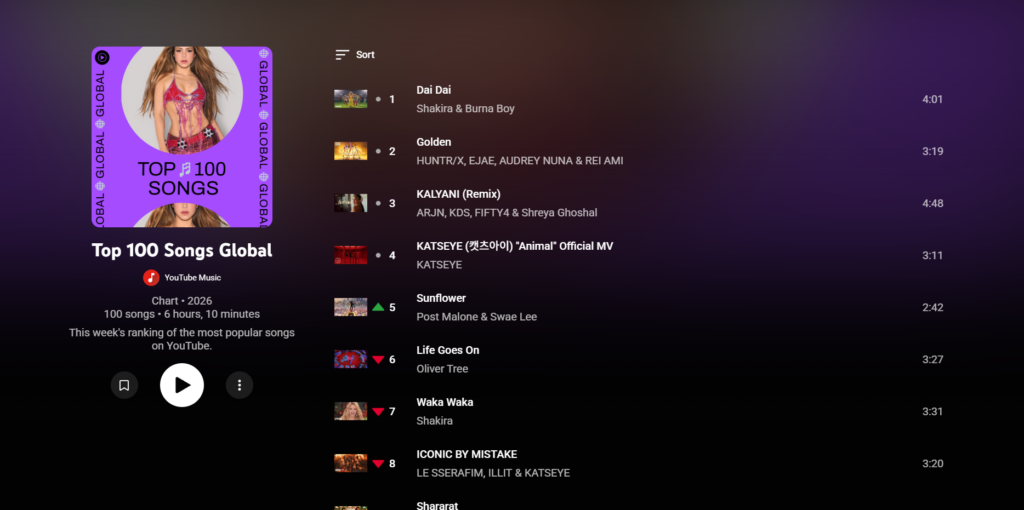
This project analyzed videos from the “Top 100 Songs Global” YouTube playlist to see if there were any correlations between their metrics (Likes, Views, Comments, Upload Date, Channel Name). The metadata for the videos were retrieved using Google’s YouTube Data API which was paired with a custom Python script for the analysis.

Duolingo Subscription Predictor
In this project, several Machine Learning models were trained on Duolingo survey data and their abilities to predict if someone was likely to be a Duolingo Plus user were compared and analyzed.
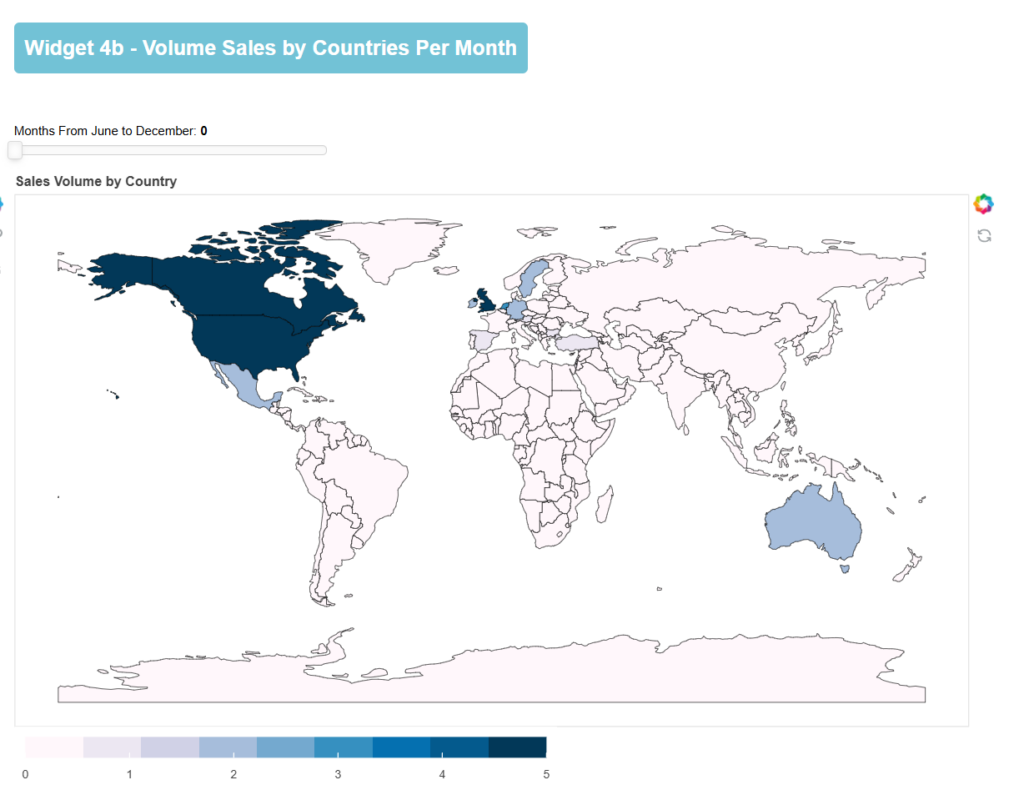
Interactive Business Dashboard
For this project, an interactive widget dashboard was created for a dummy company using the python package Bokeh. All the data had to be cleaned up before it was suitable for analysis. The dashboard contains a various number of plots: Bar plots (Sales and Refunds, Volume of Sales Per Country Per Month), world maps (Rating and sale volume per country per month) and pie charts / graphs.